A sudden temperature drop can catch homeowners off guard, even in coastal Southern California. Many people assume freezing damage only happens in colder states, but short cold snaps can still put stress on plumbing systems. That is why emergency plumbing providers in Sorrento Valley often see calls after overnight freezes caused by unprotected lines and skipped precautions. The good news is that most burst pipe emergencies can be prevented with a few simple steps taken before bedtime.
Preparing your home ahead of colder nights protects your property, reduces repair costs, and gives you peace of mind. Think of this checklist as your quick winter safety routine for plumbing. Let’s get started!
What temperature is risky for pipes?
Pipes become vulnerable when temperatures drop close to freezing. While water officially freezes at 32°F, plumbing problems can start earlier depending on exposure and insulation. A couple of factors affect risk levels:
- Pipes located in garages, attics, or exterior walls cool down faster
- Older homes often have limited insulation
- Strong winds can increase heat loss around exposed lines
- Low overnight water usage allows water to sit still and cool
As a general rule, homeowners should become alert when nighttime temperatures fall below 40°F. This is when simple protective measures make the biggest difference. Waiting until freezing conditions arrive is often too late to prevent damage.
Keeping indoor temperatures steady during cold nights also helps. Avoid lowering the thermostat too much, especially if parts of your plumbing run through unheated spaces. What should you do with faucets though?
Should I leave faucets dripping?
Letting faucets drip is one of the easiest ways to reduce freezing risk. Moving water is less likely to freeze than stagnant water, and the slight pressure relief helps prevent pipe expansion.
When using this method, focus on:
- Faucets connected to exterior walls
- Sinks located in colder rooms
- Lines farthest from the main water supply
A slow, steady drip is enough. There is no need to leave water running at full flow. Pair this step with opening cabinet doors under sinks to allow warm indoor air to circulate around the pipes. This simple habit is especially useful during overnight cold snaps when temperatures drop quickly and stay low for several hours. It’s also important to not forget to protect outdoor spigots and irrigation lines as well.
How do I protect outdoor spigots and irrigation lines?
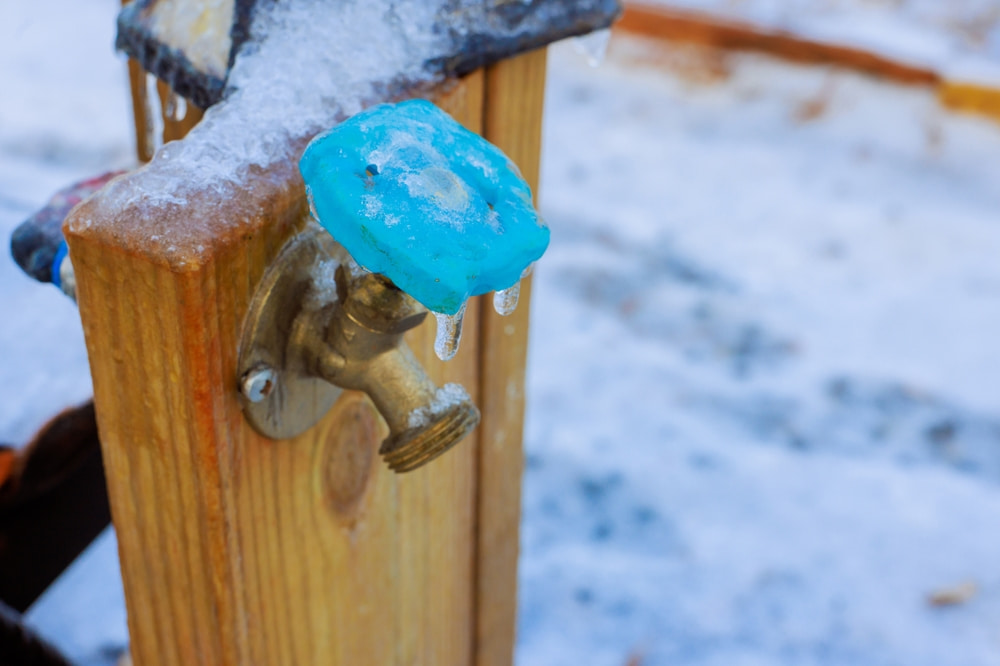
Outdoor plumbing is often the first area to freeze because it is fully exposed to the elements. Taking a few minutes to secure these fixtures can prevent costly repairs. Here is a practical checklist:
- Disconnect garden hoses and store them indoors
- Shut off exterior water valves if available
- Drain remaining water from outdoor faucets
- Install insulated faucet covers
- Turn off irrigation systems during cold spells
- Open drain valves on sprinkler lines when possible
If your home has an automatic irrigation system, make sure it is set to winter mode or turned off temporarily. Standing water inside irrigation pipes can freeze and crack fittings even after just one cold night. Inspect outdoor areas for leaks or weak connections before winter weather arrives. Small issues can become major problems when temperatures drop.
Who are the go-to professionals for emergency plumbing in Sorrento Valley?
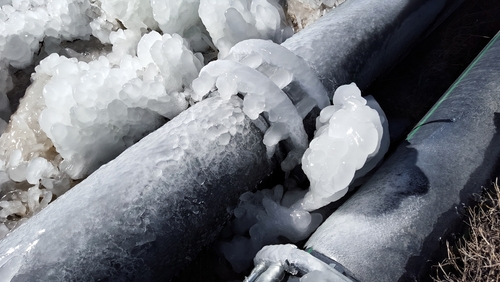
Even with preparation, unexpected plumbing problems can still occur. When a pipe bursts or a leak appears overnight, fast response matters. San Diego Emergency Plumbing is here for homeowners near the Sorrento Valley station and surrounding areas in need of immediate assistance and long-term repair solutions.
Whether you are dealing with water damage, awful winter drain clogs, or want professional help reinforcing vulnerable lines, our team is equipped to respond quickly and efficiently. Get in touch with us today to schedule service and keep your home safe during winter cold snaps!